The Great Wildebeest Migration is one of the most spectacular wildlife events on the planet, where millions of wildebeest, zebras, and gazelles travel across Tanzania and Kenya in a continuous cycle of life, survival, and breathtaking scenery. For travellers seeking an unforgettable safari experience, K & G Tanzania Travel Specialists offers expert guidance on when to go, where to witness the action, and what to expect during this natural phenomenon.
Understanding the Migration
The Great Migration is a year-round movement driven by rainfall and grazing availability. Approximately 1.5 million wildebeest, 200,000 zebras, and numerous gazelles migrate across the Serengeti-Mara ecosystem in search of fresh grass and water. This movement creates incredible wildlife spectacles, including river crossings, predator-prey encounters, and vast herds stretching across the plains.
Best Time to Witness Key Stages
Timing is crucial for experiencing the migration at its most dramatic moments:
January to March: Calving season in the southern Serengeti. Thousands of young wildebeest are born, attracting predators and providing excellent photography opportunities.
April to May: Migration moves northwest as herds respond to rainfall. This period sees lush green landscapes but fewer river crossings.
June to July: River crossing season begins at the Grumeti and Mara rivers, offering thrilling predator-prey action.
August to October: The herds move into the northern Serengeti and Masai Mara (Kenya), with continued river crossings and excellent game-viewing.
November to December: The migration returns southward, completing the cycle and preparing for the next calving season.
Where to Go
Serengeti National Park: Different regions of the park correspond to different migration stages. The southern Serengeti is ideal for calving, while the northern Serengeti offers famous Mara River crossings.
Ngorongoro Conservation Area: While not part of the main migration route, the crater offers a chance to see resident wildlife alongside the occasional passing herds.
Grumeti & Mara Rivers: These rivers provide the most dramatic photographic opportunities as herds risk crossing crocodile-infested waters.
What to Expect on Safari
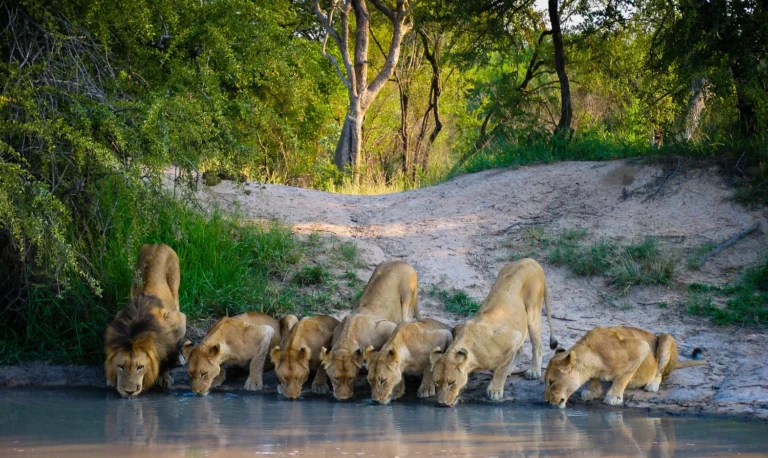
Expect long days of game drives, early morning departures, and guided exploration to maximize sightings. Encounters with predators such as lions, hyenas, and crocodiles are frequent near river crossings. Witnessing thousands of animals move together across the plains is a humbling experience, offering both awe-inspiring photography and a deep connection to the natural world.
Tips for an Unforgettable Experience
Book Early: Prime locations fill quickly during peak migration months.
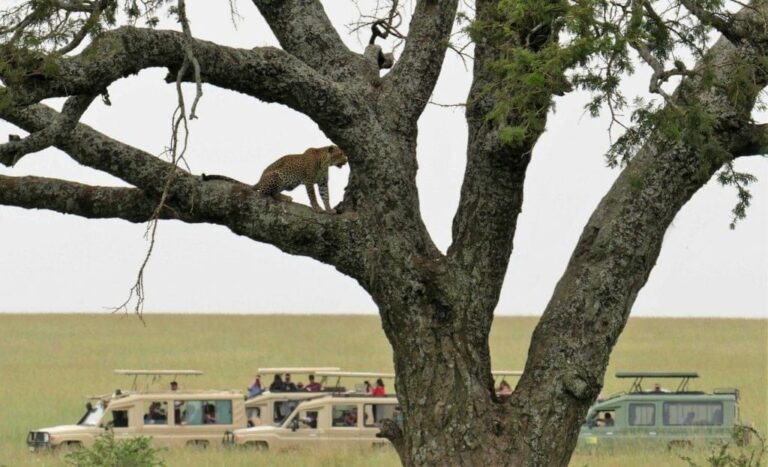
Choose the Right Vehicle: A 4×4 safari vehicle with an open roof enhances viewing and photography opportunities.
Bring Binoculars & Camera Gear: Essential for capturing distant action and detailed wildlife behavior.
Be Patient & Flexible: Wildlife is unpredictable, and the migration moves in response to nature. A flexible schedule increases the chance of witnessing iconic moments.
Why Travel with K & G Tanzania Travel Specialists
Our expert guides know the migration patterns, optimal viewing spots, and safety considerations to ensure you get the most from this once-in-a-lifetime experience. From private game drives to luxury lodge accommodations in prime migration zones, we curate a safari that combines comfort, adventure, and unforgettable wildlife encounters.
Experiencing the Great Wildebeest Migration is a bucket-list safari moment, and with careful planning, expert guidance, and local knowledge, you can witness one of nature’s most extraordinary spectacles in all its glory.