Best Time to Climb Kilimanjaro – When to Conquer Africa's Tallest Mountain
Climbing Mount Kilimanjaro is a dream for many adventurers, offering a once-in-a-lifetime opportunity to stand atop Africa’s highest peak. But when is the best time to take on this challenging journey? The answer depends on various factors, including weather, crowds, and your personal preferences for the climb. Understanding the seasons on Kilimanjaro can help you choose the right time for your adventure.
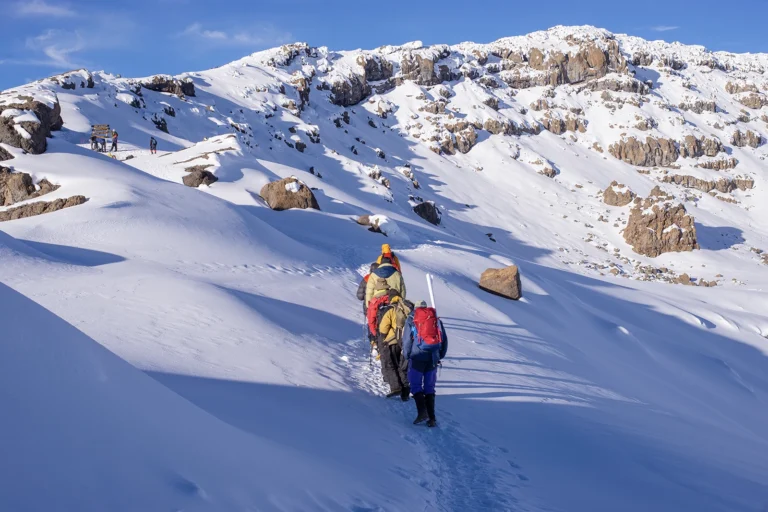
The most favorable times to climb Kilimanjaro are during the dry seasons, which typically fall between June to October and December to February. These months offer the best weather for trekking, with clear skies and less chance of rain. The dry conditions make the climb more comfortable, and the trails are less slippery, reducing the risk of injury. The visibility is also excellent, allowing you to enjoy breathtaking views of the surrounding landscape, including the expansive savannah below and the glaciers at the summit.
The dry season from June to October is the peak climbing period on Kilimanjaro, as many trekkers aim to conquer the mountain during these months. This is when the weather is most stable, with daytime temperatures ranging from 20°C to 30°C (68°F to 86°F) and cooler temperatures at night. The routes are drier, and there’s a much lower chance of rain, making it the ideal time for a more comfortable ascent. The crowds, however, can be larger during this period, so it’s advisable to book in advance to secure your spot.
The shoulder season, which falls between November and early December, is another excellent time to climb Kilimanjaro. While the weather may be slightly unpredictable with occasional rain showers, the crowds are thinner, and prices for climbing permits and accommodations are often lower. The mountain is still very accessible, and you can enjoy the beauty of Kilimanjaro without the heavy foot traffic that comes with the peak dry season. This can make for a more peaceful and intimate experience.
The short rainy season from March to May should be avoided by most climbers, as it can be particularly challenging. During these months, the trails tend to be muddy, and the risk of heavy rainfall is high, which can make the climb more difficult and dangerous. The constant rain can also make the mountain less enjoyable to explore, and the visibility is often poor. However, for those looking for solitude and don’t mind the extra challenge, this period can offer a quieter, more solitary experience with fewer trekkers on the mountain.
Despite the challenges posed by the rainy season, some climbers are drawn to this time for the chance to experience a different side of Kilimanjaro. The rain brings the landscape to life, turning the forested areas lush and vibrant. The lower slopes of the mountain are especially beautiful during this period, with waterfalls and streams coming to life after the rains. If you’re an experienced climber and prepared for unpredictable weather, this can be a rewarding time to experience the mountain in its quieter, more remote state.
In addition to weather conditions, consider your own physical readiness and what you’re hoping to experience. The dry season offers the best weather for a comfortable climb, but it can also bring larger crowds. If you prefer a more peaceful climb with fewer trekkers and don’t mind a bit of rain, the shoulder season is ideal. The rainy season, while tougher, offers an entirely different perspective on Kilimanjaro, with the mountain appearing more serene and less traveled.
Ultimately, the best time to climb Kilimanjaro is when you feel physically prepared and ready to face the challenges of the mountain. While the dry season is the most popular and easiest time to climb, each season offers its unique set of advantages. Whether you’re looking for the perfect weather, a more peaceful experience, or a more challenging adventure, Kilimanjaro is ready to offer an unforgettable journey no matter when you go.