Best Time to Visit Serengeti – When to Experience the Magic
The Serengeti is an extraordinary destination, renowned for its vast plains, incredible wildlife, and spectacular natural events, especially the Great Migration. But deciding when to visit the Serengeti can make a huge difference to your experience. Whether you’re hoping to catch the Great Migration or simply want to enjoy the park’s wildlife in its full glory, the timing of your trip can shape your safari adventure.
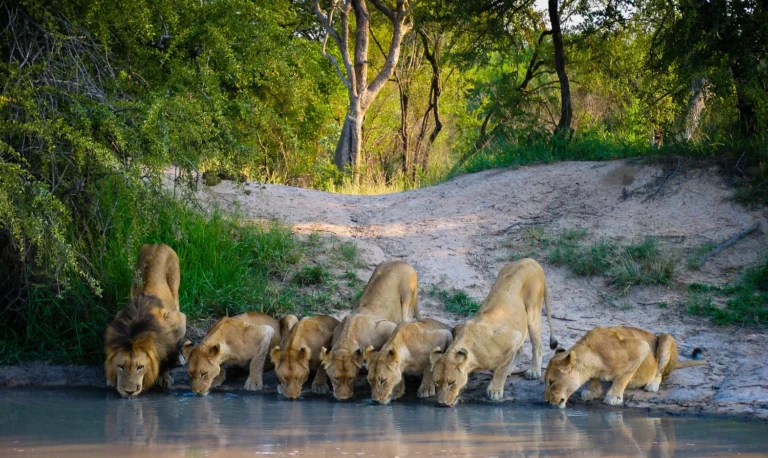
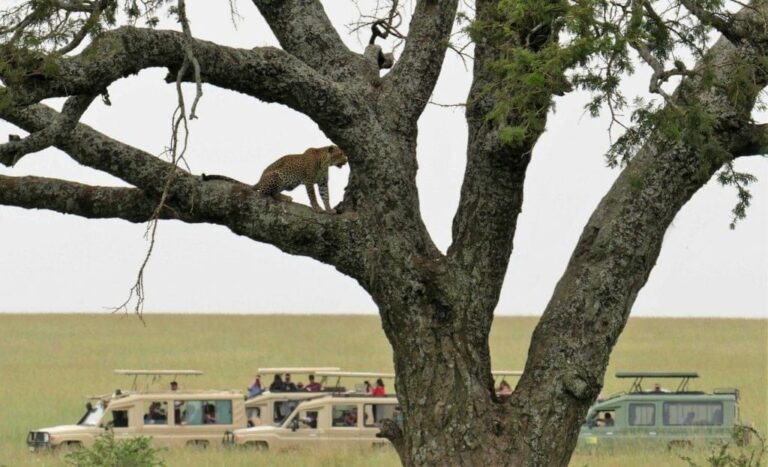
For most travelers, the dry season, which runs from June to October, is considered the best time for game viewing. During these months, the vegetation is thinner, and the animals tend to gather around the waterholes and rivers, making it easier to spot them. The skies are clear, and the temperatures are relatively cool, making safari drives more comfortable. This is also the best time to see large concentrations of wildlife, as the animals stay closer to the water, offering perfect opportunities for photography and close-up encounters.
If you’re a fan of the Great Migration, then the timing of your visit is crucial. The migration is a continuous cycle, and the herds of wildebeest and zebras move through the Serengeti and the Maasai Mara region. The most dramatic and exciting time to witness the migration is during the calving season, which takes place from January to March. During this period, hundreds of thousands of wildebeest give birth to their calves in the Serengeti’s southern plains, creating a sight like no other. It’s also a time when predators, such as lions and cheetahs, are particularly active, making for thrilling safari moments.
In addition to the calving season, the dry season from June to October offers the best opportunities for witnessing the herds as they move in search of fresh grazing. The Mara River crossings, where wildebeest and other animals face dangerous crocodiles and turbulent waters, happen around July to August, making it one of the most exciting and dramatic moments of the migration. If you want to see these iconic river crossings, visiting during these months is ideal.
For those who enjoy a quieter, less crowded experience, the green season from November to March is a fantastic time to visit. While the Serengeti does experience some rainfall, this is also when the landscape is lush and green, creating a beautiful backdrop for wildlife viewing. Many migratory birds return to the park, and the vegetation provides a wonderful contrast to the dry, brown landscape seen in other months. Although the rains make it a bit harder to access certain areas, this season offers a more tranquil experience, and fewer tourists means you can enjoy the park’s beauty in peace.
Ultimately, the best time to visit Serengeti depends on what you’re hoping to experience. The dry season offers easy wildlife viewing with abundant opportunities to see predators and large herds. If the Great Migration and calving season are your priorities, the first few months of the year or the middle of the dry season will offer the most thrilling and dramatic experiences. On the other hand, the green season offers a more serene, less crowded experience with lush scenery and the chance to see migratory birds and newborn animals. No matter when you visit, the Serengeti promises a truly unforgettable adventure